
What To Do When Your Denture Breaks
A broken denture can cut your mouth, affect your bite, or create a choking risk. Remove it safely, protect every piece, and arrange professional emergency denture repair as soon as possible.
Stop Wearing The Damaged Denture
Take out the damaged denture if it feels sharp, loose, painful, or unstable. Do not keep wearing it to eat, speak, or sleep, as broken edges can injure your gums, cheeks, tongue, or palate.
If the denture has a crack but still seems usable, avoid testing it with hard or sticky foods. A small crack can spread when you bite, causing more denture damage and making repair harder.
Rinse your mouth gently with clean water. If you have a cut, apply light pressure with clean gauze for several minutes. Seek urgent medical care if bleeding does not stop, swelling affects your breathing, or you swallowed a large piece.
 Keep All Broken Pieces Safe
Collect the denture, teeth, clips, and any fragments from the floor or sink. Rinse them gently with cool or lukewarm water, then place them in a clean, sealed container.
Add a small amount of water to help prevent the acrylic from drying out. Do not use hot water, bleach, alcohol, or strong cleaning products. Heat can change the denture’s shape and affect its fit.
Take the broken dentures and every loose part to your dentist or dental prosthetist. A clear photo of the break can also help when you call for urgent denture repair, especially if you need advice outside normal hours.
Avoid Household Glue And DIY Fixes
Do not use superglue, epoxy, nail glue, or other household adhesives. These products may contain harmful chemicals, can irritate your mouth, and may prevent a dental professional from joining the denture correctly.
Do not file sharp edges, bend metal parts, drill the acrylic, or try to force broken sections together. These actions can alter the bite and cause further breakage.
Temporary denture repair kits may not provide a safe or accurate fix. They can hide cracks, leave rough surfaces, and make professional denture repairs more difficult. Store the denture safely and ask a qualified professional about the correct repair option.
When To Seek Urgent Professional Help
Contact your dentist, dental prosthetist, or an emergency dental clinic promptly if your denture has snapped, lost a tooth, developed a sharp crack, or no longer fits. Ask whether same-day emergency denture repairs are available.
Seek urgent care if the damage causes severe pain, ongoing bleeding, major swelling, trouble breathing, or difficulty swallowing. Get medical advice if you may have inhaled or swallowed a broken piece.
Do not force the denture into place before your appointment. A professional can check your mouth, assess the denture breakage, and decide whether repair, adjustment, or replacement is safest.
Same-Day Repair Options And What They Can Fix
A same-day denture repair service can often fix cracks, broken plates, loose false teeth and damaged clasps. A dentist or denture technician must first inspect the damage to confirm whether repair, adjustment, relining or replacement offers the safest solution.
Cracks, Fractures And Split Plates
 Small cracks in acrylic dentures may be repaired by bonding and reshaping the damaged area. A split plate may need more careful alignment before the technician adds new acrylic. This helps your full dentures or partial dentures fit as closely as possible to their original shape.
Do not wear a badly cracked denture if it feels sharp, pinches your gums or changes your bite. Continued use can worsen the break and may injure your mouth. Avoid superglue and home repair kits because they can leave uneven surfaces and make a professional repair harder.
A same-day service can handle many straightforward breaks, but complex fractures may need more laboratory time. Your provider may also check whether the denture has become weak, warped or poorly fitted.
Loose Or Missing Denture Teeth
A loose or missing false tooth can often be replaced if you still have the tooth. The technician may clean the socket, position the tooth and secure it with new denture material. If the original tooth is lost, they can usually select a similar size, shape and shade.
You should keep any loose tooth and take it with your denture to the appointment. Do not use household glue, as it may damage the acrylic and create a harmful residue.
A loose tooth may result from wear, impact or a weakened base. Your denture repair service should examine the surrounding area, not just attach the tooth. If the base has cracked or the fit has changed, you may need an adjustment or additional repair.
Broken Denture Clasps On Partial Dentures
A broken denture clasp can make your partial dentures unstable. Clasps grip nearby natural teeth, so damage may cause rocking, rubbing or pressure on your gums. Avoid chewing hard foods until the clasp has been assessed.
A technician may replace the clasp, repair its connection to the acrylic base or adjust its shape. The correct repair depends on the clasp material and the design of your partial denture. Metal components may require different work from acrylic components.
Do not bend the remaining clasp yourself. You could damage the supporting tooth or distort the denture. Your dentist may also check the natural teeth that support the partial denture, particularly if you feel pain or notice movement.
Repairs For Full And Partial Dentures
Repair options differ between full dentures and partial dentures. Full dentures may need work on the acrylic plate, teeth or base. Partial dentures may also involve clasps, metal frameworks and attachments that require careful adjustment.
Many denture repair services offer same-day denture repairs for simple cracks, broken teeth and some plate fractures. Timing depends on the damage, the materials, the laboratory’s workload and whether replacement parts are available.
A provider may recommend a reline if your denture no longer fits because your gums and jaw have changed. A reline improves the fit but does not replace a broken section. Your provider should explain the available denture solutions and tell you when you can safely wear the repaired denture.
When A Replacement Or Emergency Denture May Be Needed
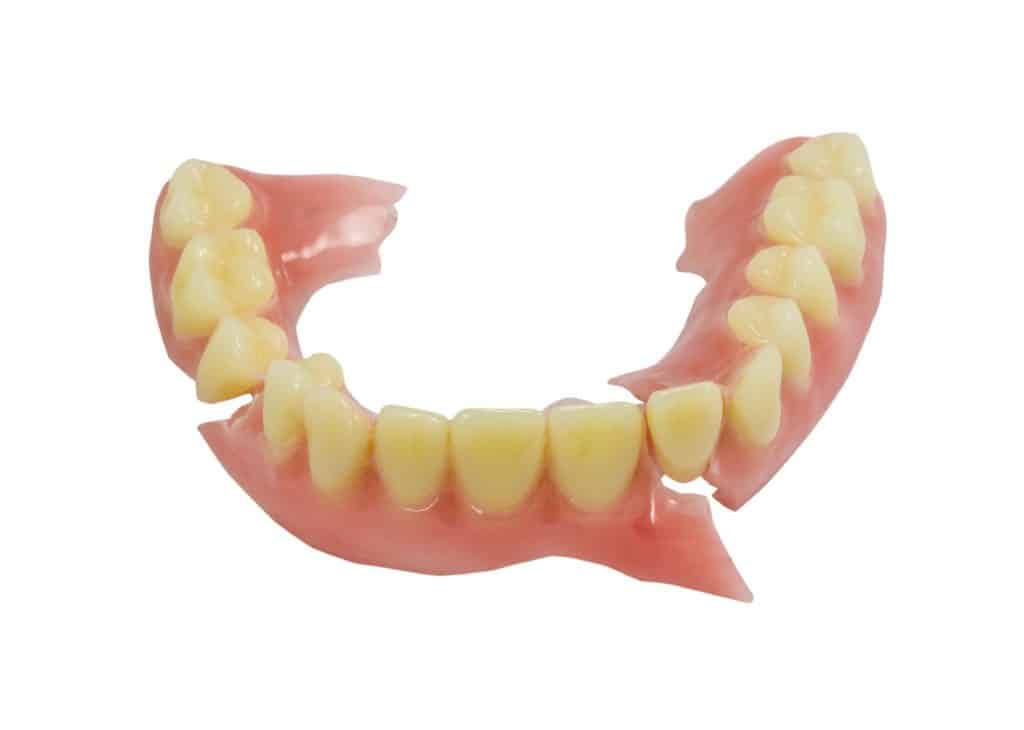 Repair may not be suitable when the denture has several breaks, severe warping, extensive wear or a badly damaged metal framework. Repeated repairs can also indicate that the denture no longer fits your mouth or provides reliable support.
Your dentist may recommend a replacement if the base has weakened, the bite has changed or the denture causes ongoing sores. An emergency denture may provide a temporary solution while a new full or partial denture is made.
Seek urgent dental care if the damage causes bleeding, severe pain, facial swelling or trouble swallowing. Take your denture with you, even if you cannot wear it, so the provider can assess the damage and discuss the safest repair or replacement option.
Choosing A Denture Repair Service In Ballarat
Choose a Ballarat denture clinic that explains the repair, timing and price before work begins. A qualified dental prosthetist can assess whether your dentures need a simple repair, a reline, a replacement tooth or a new appliance.
How A Dental Prosthetist Assesses The Damage
A dental prosthetist checks the denture base, teeth, clasps and fit. They look for cracks, broken sections, missing teeth, worn surfaces and signs that the appliance no longer sits securely. They may ask how the damage happened and whether you have pain, rubbing or difficulty chewing.
The prosthetist will also check whether the denture fits your gums and remaining teeth. A repair may not last if the denture has warped, has a poor bite or no longer matches changes in your mouth. In these cases, you may need a reline, adjustment or replacement rather than a basic repair.
Take all broken pieces and your denture case to the appointment. Do not use household glue, as it can damage the material and make professional repairs harder.
Expected Repair Times And Costs
Many Ballarat denture services offer same-day repairs for common problems, such as a broken tooth, small crack or detached section. The exact time depends on the damage, the materials used and whether the clinic sends the denture to a laboratory.
You may need more time if the prosthetist must take new impressions, remake the denture or repair a badly damaged base. Ask whether the quoted time includes fitting and adjustments.
Costs vary by repair type and clinic. Before agreeing to treatment, request a written estimate that lists the repair, any consultation fee and possible extra charges. Ask whether the clinic offers an urgent appointment and what happens if the denture needs further work after fitting.
Health Funds And Available Claims
Your health fund may cover some denture repairs under extras cover, but policies differ. Check your annual limit, waiting periods, exclusions and remaining balance before booking. Some funds also apply different limits to repairs, relines, replacements and new dentures.
Ask the Ballarat denture clinic whether it accepts your fund and can process an on-the-spot claim. You may need to pay the gap between the fund benefit and the clinic’s fee.
If you have a DVA card or receive other support, ask whether you qualify for assistance. Keep your receipt, treatment code and itemised account. Your fund or government service can confirm whether the repair meets its claiming rules.
Protecting Dentures From Future Breakage
Handle your dentures over a folded towel or a basin filled with water. This reduces the chance of damage if you drop them. Store them in a labelled container when you remove them, and keep the container away from children and pets.
Clean dentures with a denture brush and suitable cleanser. Avoid hot water, bleach and abrasive toothpaste, which may warp or scratch the surface. Do not adjust clasps or grind down parts yourself.
Attend a dental prosthetist for regular checks if your dentures feel loose, cause sore spots or affect chewing. A timely adjustment or reline can reduce pressure on the denture and may help prevent further cracks.
Frequently Asked Questions
Urgent denture repair services can assess damage, explain your options and provide same-day repairs when possible. Costs depend on the denture type, damage and materials needed.
-
Where can I get my dentures repaired urgently?
Contact a denture clinic, dental prosthetist or dentist that offers emergency or same-day repairs. Ask whether the service covers your location, opening hours and the type of damage affecting your dentures.
Some clinics offer weekend or after-hours appointments. Call before travelling and take all broken pieces with you.
-
Can a broken denture be fixed on the same day?
Many minor breaks, cracks and loose denture teeth can be repaired on the same day. The repairer must first inspect the denture to check whether it can be safely restored.
A badly fractured base, damaged clasp or poor fit may require more time. Do not assume a same-day repair is available until the clinic confirms it.
-
What should I do if my dentures crack or snap?
Remove the dentures and place them in a clean container. Keep every piece and avoid wearing them if they feel sharp, unstable or painful.
Do not bend, file or heat the denture. Avoid household glues, as they can damage the material and make professional repair harder.
Seek urgent medical or dental care if you have heavy bleeding, facial swelling, severe pain or trouble breathing.
-
How much does an urgent denture repair usually cost?
The price varies with the type of denture, the extent of the damage and the repair method. A simple tooth replacement may cost less than rebuilding a cracked denture base or repairing a clasp.
Ask for a price estimate before treatment. An urgent, after-hours or same-day service may cost more than a standard repair.
-
Can I use denture glue to fix a broken denture temporarily?
Do not use household glue, superglue or craft adhesive. These products may contain harmful chemicals, damage the denture and prevent a proper repair.
Denture adhesive may hold a loose denture in place, but it will not safely repair a crack or break. Remove the denture if it causes pain or moves during eating, and arrange a professional assessment.
-
Do I need an appointment for an urgent denture repair?
Call the clinic before you attend. Some repairers accept walk-ins, but an appointment helps them confirm availability and prepare for your repair.
Tell the clinic what happened, which denture is affected and whether you still have all the pieces. Ask about the expected repair time, cost and whether you need to bring identification or treatment records.
